


Ceramic Bowl Factory
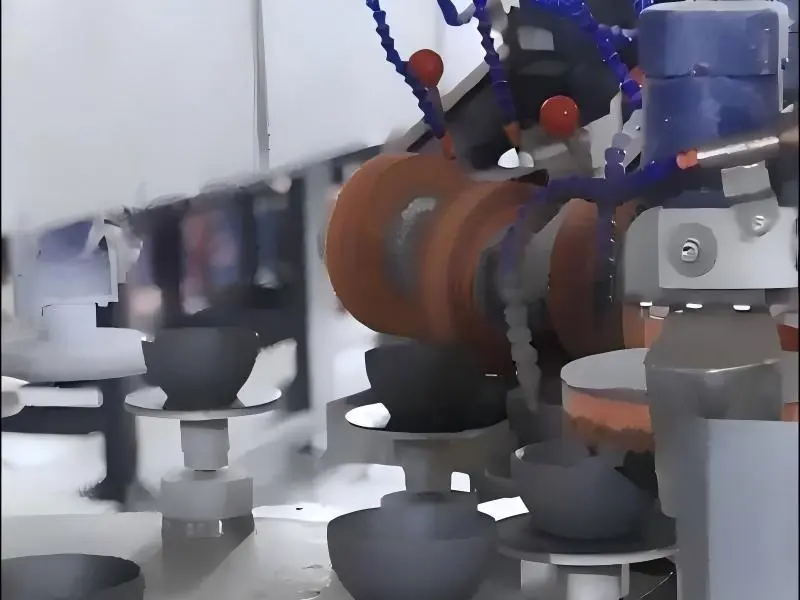
A ceramic bowl factory is a manufacturing facility dedicated to producing bowls made from clay and other ceramic materials. The process begins with the careful selection and preparation of raw materials, including kaolin, feldspar, quartz, and other natural minerals. These materials are blended with water to create a workable clay body, which must have the right texture, strength, and firing properties. Consistency at this stage is essential, because the quality of the final product depends heavily on the composition and preparation of the clay.Once the clay is ready, it is shaped into bowls using different forming methods. In many factories, machines such as pressing equipment, jiggering machines, or hydraulic molds are used for efficient mass production. For more customized or artistic products, skilled workers may handcraft or hand-finish the pieces. After shaping, the bowls are left to dry naturally or in controlled drying rooms. This drying stage is important because excess moisture can cause cracks or deformation during firing.After drying, the bowls undergo a first firing, often called bisque firing, in high-temperature kilns. This step hardens the ceramic body and prepares it for glazing. Glazes are then applied to add color, shine, texture, and waterproofing. Some bowls may have simple transparent glazes, while others feature intricate patterns, matte finishes, or decorative hand-painted designs. Once glazed, the bowls are fired again at a higher temperature to melt the glaze and permanently fuse it to the ceramic surface.Quality control is a critical part of the production process. Each bowl is inspected for shape accuracy, surface smoothness, color consistency, glaze defects, and resistance to cracks or chips. Defective items are removed to ensure that only high-quality products are packaged and shipped. Many factories also test their products for durability, food safety, and heat resistance, especially when the bowls are intended for everyday dining use.A ceramic bowl factory often combines traditional craftsmanship with modern industrial technology. Automation improves efficiency and consistency, while manual inspection and finishing preserve product quality and aesthetic appeal. The factory environment may include raw material storage, mixing areas, forming workshops, drying rooms, kiln zones, glazing lines, inspection stations, and packing departments. Each section plays an important role in transforming simple earth materials into useful and elegant household items.These factories supply bowls for homes, restaurants, hotels, and gift markets around the world. Their products can range from basic utility bowls to high-end decorative pieces. Through a combination of skilled labor, careful material control, and advanced firing techniques, a ceramic bowl factory turns natural resources into durable, attractive, and functional tableware.
Products
Category:
No search results found!
News
Category:
No search results found!
Case
Category:
No search results found!
Video
Category:
Download
Category:
No search results found!
Job
Category:
No search results found!
Featured Products
No search results found!


